Harper Günther · 2 September 2026
Education Funding Reductions Prompt Coordinated Activism Across District Schools
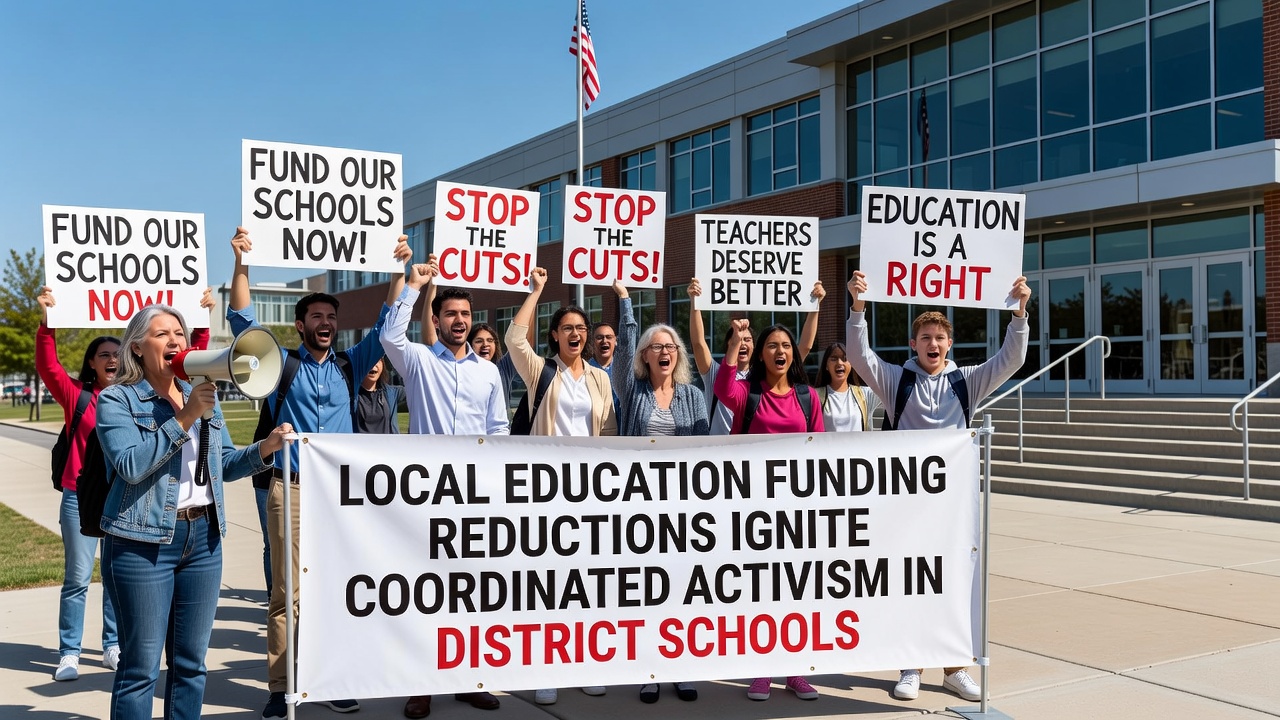
School districts across multiple regions began the September 2026 academic year with announced reductions in local education budgets, and these changes have led to organized responses from parent associations, teacher groups, and community organizations working in tandem. Data from state education departments show per-pupil allocations decreased by an average of 8 percent in affected areas compared to the prior year, with reallocations directed toward infrastructure maintenance rather than classroom programs.
Details Behind the Budget Adjustments
Local governments cited rising operational costs and shifts in property tax revenues as primary factors behind the cuts, while enrollment figures remained stable according to census updates released in August 2026. Those who analyzed the numbers noted that smaller districts experienced sharper proportional declines, prompting joint planning sessions among school boards that previously operated independently. Figures from the US Department of Education indicate similar patterns emerged in at least twelve states during the same period.
Observers point out that the reductions affected after-school programs first, followed by adjustments to staffing levels in elementary grades, and these sequential impacts created shared concerns among families who previously focused on isolated issues at individual schools. Coordinated petitions circulated online and in paper form gathered signatures from over 15,000 households by mid-September, according to records maintained by district offices.
Formation of Joint Activism Networks
Parent-teacher organizations from neighboring districts formed alliances in late August, holding their first combined strategy session at a central community center where representatives outlined shared goals around restoring program funding. These meetings expanded to include input from local business owners and retired educators, resulting in structured campaigns that combined public forums with direct outreach to elected officials. One study of similar past efforts by academic researchers at regional universities found that such multi-group coordination often extends campaign duration by several months.
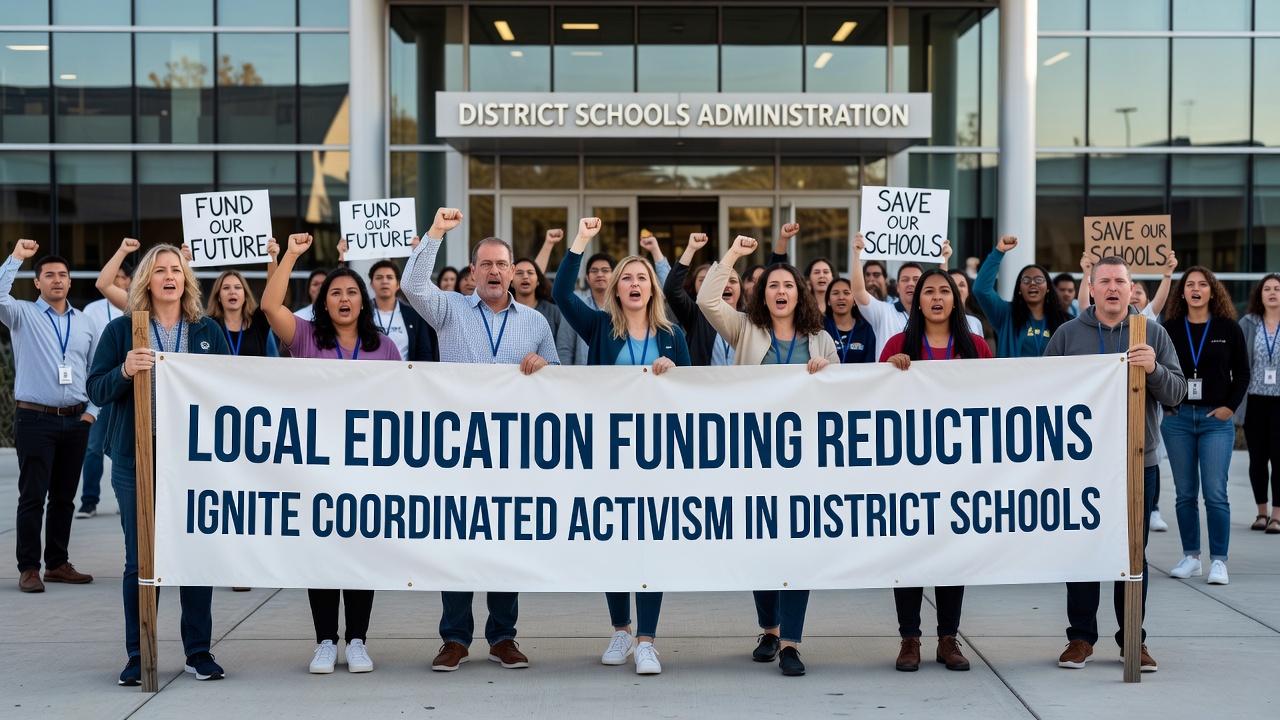
Events scheduled through October include town hall gatherings and letter-writing drives, while digital platforms track attendance and collect additional data on household impacts. Those involved report that the networks share resources such as template documents and contact lists, reducing duplication of effort across locations. Statistics compiled by the OECD education directorate place these local trends within broader international patterns of decentralized funding challenges observed in comparable economies.
Responses from School Administrations
District leaders responded by scheduling additional budget review meetings open to the public, and some implemented temporary reallocations from reserve accounts to preserve core reading and mathematics instruction. Superintendents emphasized that long-term solutions require legislative action at the state level, while short-term measures focus on volunteer support for affected programs. Data released in September 2026 by state auditors confirmed that reserve funds in several districts would cover immediate gaps for one semester only.
Activism efforts have also incorporated public demonstrations at board meetings, with participants presenting compiled research on enrollment stability and program outcomes. These presentations draw from publicly available datasets rather than new surveys, allowing consistent messaging across different districts. External organizations such as the National Education Association have offered informational webinars on advocacy strategies, though participation remains voluntary and localized.
Conclusion
The combination of documented funding shifts and emerging collaborative networks continues to shape district operations into the fall term, with further developments expected as legislative sessions convene later in the year. Public records show ongoing tracking of both budget implementation and community engagement metrics by multiple oversight bodies.