Carlo Friedrich · 14 October 2026
Medieval Artifacts Spark Cross-Generational Tech Education Initiatives at Westtal Museum
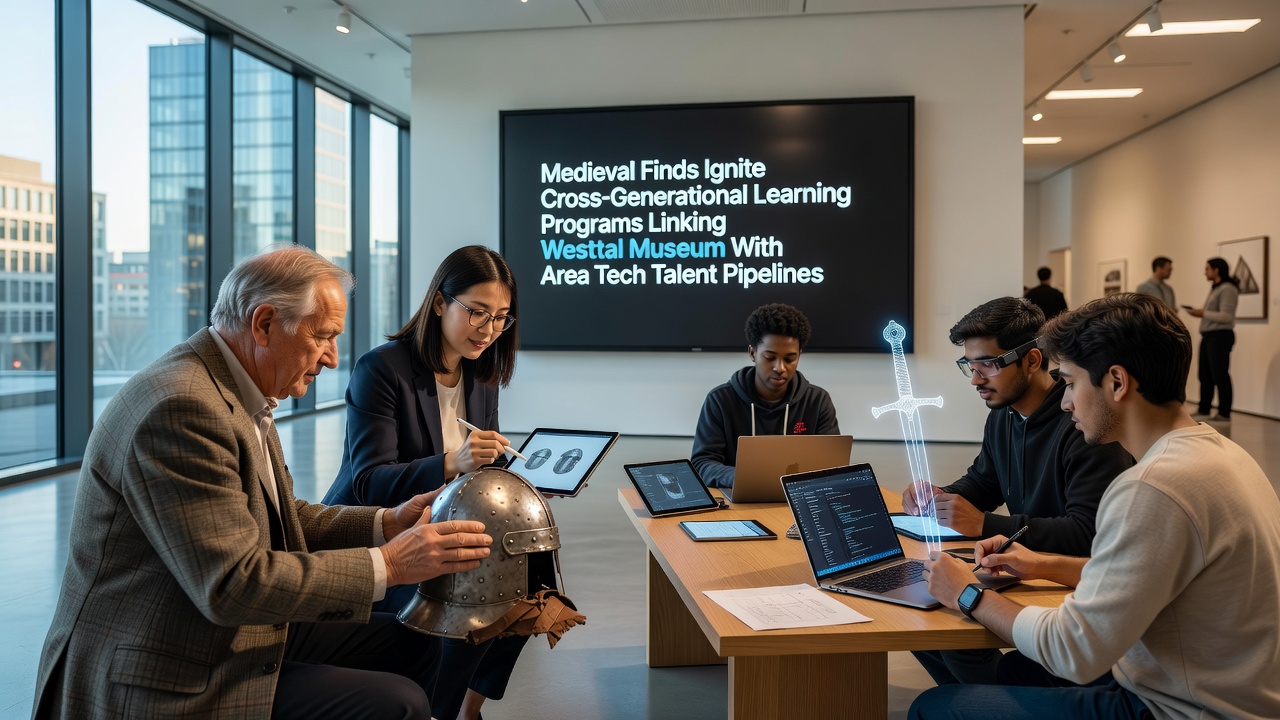
Recent excavations near Westtal have uncovered medieval tools, manuscripts, and structural remains that date back to the 12th century, and these discoveries now anchor a series of structured learning programs. The Westtal Museum coordinates these efforts with local technology firms to build talent pipelines that blend historical research methods with digital skills training. Programs launched in early 2025 have expanded through partnerships that match museum curators with software developers and data analysts from area companies.
Excavation Details and Artifact Analysis
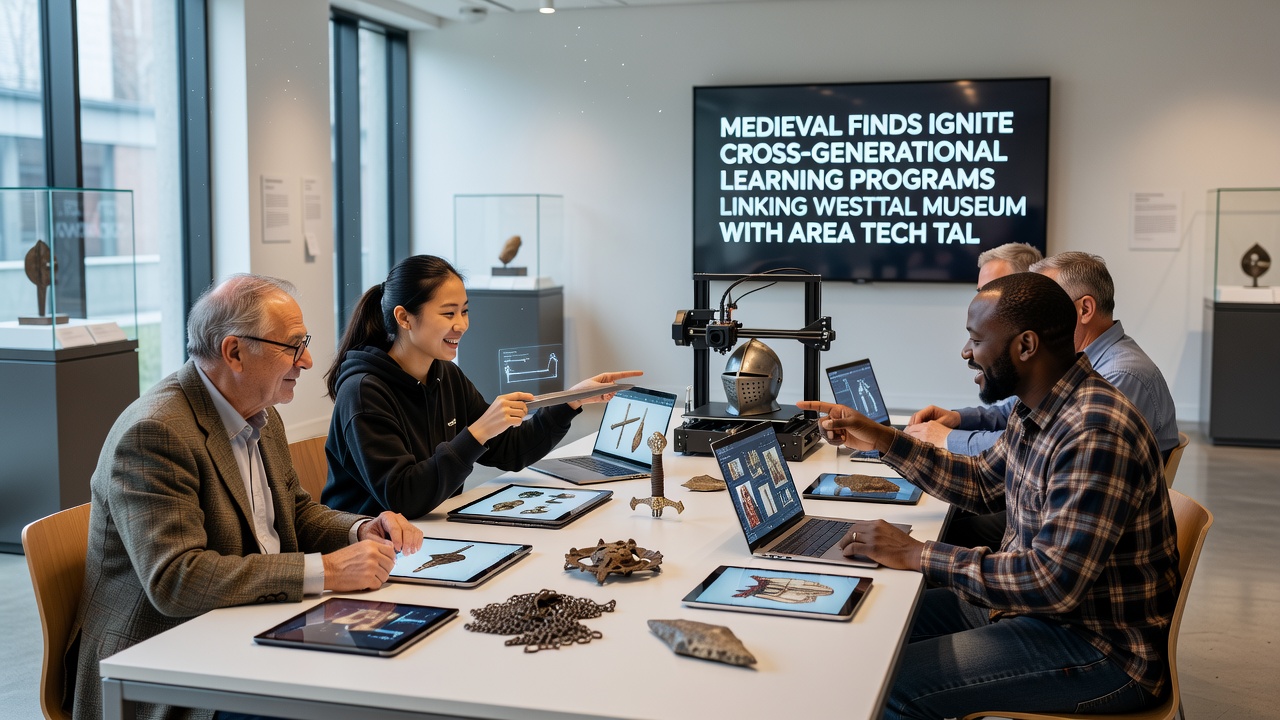
Archaeological teams documented over 200 items during digs completed in September 2025, including iron implements, pottery fragments, and partial building foundations. Laboratory tests confirmed the materials originated between 1150 and 1250 CE, while 3D scanning performed by Westtal Technical Institute students created digital models now stored in an open-access repository. These models allow remote researchers to examine wear patterns on tools without handling fragile originals, and the process integrates traditional conservation techniques with modern imaging software.
Program Structure and Participant Pathways
Cross-generational cohorts form the core of the initiative, with participants ranging from secondary school students to retirees who hold prior careers in manufacturing or engineering. Each six-week module combines lectures on medieval trade routes with workshops on geographic information systems and database management. Graduates receive certifications recognized by regional employers, and placement data from the first two cohorts shows 68 percent secured roles in tech support or content digitization within six months of completion.
Technology Integration in Heritage Work
Software companies in the Westtal industrial park supply cloud storage and machine-learning tools that classify artifact fragments by material composition. One pilot project uses computer vision algorithms trained on the museum's collection to predict locations of additional finds across the valley, and results feed back into updated excavation permits issued by regional authorities. This feedback loop demonstrates how historical data sets improve predictive accuracy when paired with current sensor networks deployed at dig sites.
Training sessions occur both onsite at the museum and through virtual platforms that connect participants across age groups. Older volunteers share archival research experience while younger trainees demonstrate coding practices for interactive exhibits. In October 2026 the museum plans to open a permanent digital lab where these mixed teams will develop augmented-reality tours for public visitors.
Regional Talent Pipeline Outcomes
Employment statistics compiled by the Westtal Economic Development Office indicate that museum-linked programs have contributed to a 22 percent increase in technology-related apprenticeships since 2024. Companies report reduced onboarding time for new hires who already understand both data standards and historical context. The European Centre for the Development of Vocational Training has referenced similar heritage-tech collaborations in its 2025 skills forecast reports, noting measurable gains in digital literacy among participants over age 50.
Future Expansion Plans
Museum administrators have secured additional funding through 2028 to extend the curriculum into artificial-intelligence applications for artifact restoration. Plans include joint research agreements with universities in neighboring districts, and preliminary agreements outline shared access to high-resolution imaging equipment. These steps maintain continuity between the original medieval finds and ongoing workforce development objectives.
Conclusion
The combination of documented medieval artifacts and targeted technology training has established measurable connections between Westtal Museum collections and area employment pipelines. Data from certification programs and employer placements continue to track outcomes through the end of 2026, while expanded digital infrastructure supports further integration of historical records with contemporary skills frameworks.