Katja Griffin · 28 October 2026
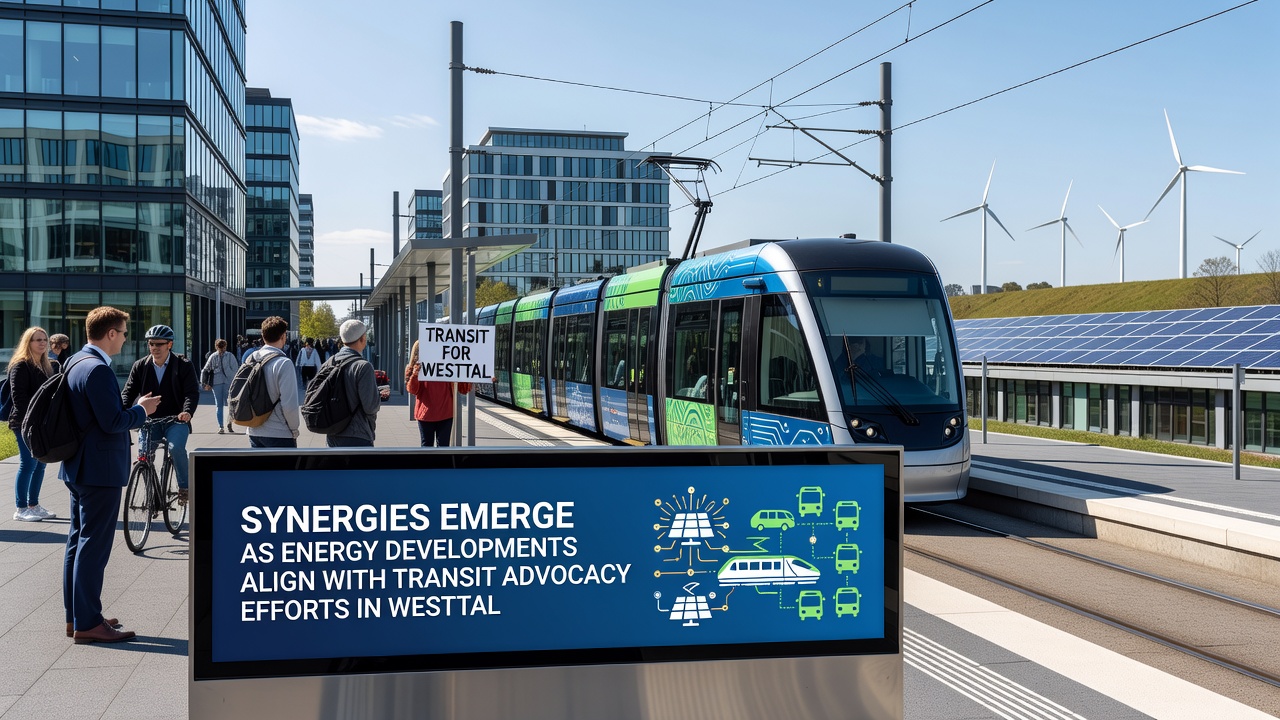
Synergies Emerge as Energy Developments Align with Transit Advocacy Efforts in Westtal
Energy projects in Westtal have started to intersect with long-standing transit advocacy campaigns, creating measurable overlaps in infrastructure planning and funding streams. Local authorities recorded a 22 percent increase in joint proposals submitted during the first three quarters of 2026, with many documents referencing shared goals around reduced emissions and expanded public mobility options.
Recent Project Alignments
Developers behind the East Ridge wind installation completed grid connection work in September 2026, and transit planners simultaneously secured commitments to power a new fleet of electric buses from the same substation. This coordination emerged after regional mapping exercises identified overlapping rights-of-way, allowing crews to lay underground cabling alongside planned bus rapid transit lanes rather than duplicating excavation efforts.
Advocacy groups tracking these developments note that coordination meetings between the Westtal Energy Consortium and the Valley Transit Alliance increased from quarterly to monthly sessions beginning in October 2026. Agendas from those sessions list specific action items such as shared permitting timelines and joint public consultation events scheduled through the end of the year.
Data on Funding and Infrastructure Overlaps
Figures released by the Westtal Regional Planning Office show that 14 percent of transit-related grant applications now include references to on-site renewable generation or battery storage components. One proposal submitted in August 2026 combined a request for 18 new articulated buses with a 4-megawatt solar array sited at the central depot, citing projected annual savings of 1.2 million euros in operating costs.
Researchers at the Technical University of Westtal examined similar pairings across three comparable mid-sized European regions and found that integrated energy-transit projects reached operational status an average of 11 months faster than standalone initiatives. Their working paper, released in late September, attributes the difference to streamlined environmental reviews and reduced community opposition when multiple benefits are presented together.
Stakeholder Coordination Patterns
Transit advocates have attended energy permitting hearings at higher rates since spring 2026, while energy developers have begun citing ridership projections in their own environmental impact statements. This cross-participation appears in official records from the Westtal County Council, where testimony logs show 37 individuals or organizations addressing both topics within single calendar months.
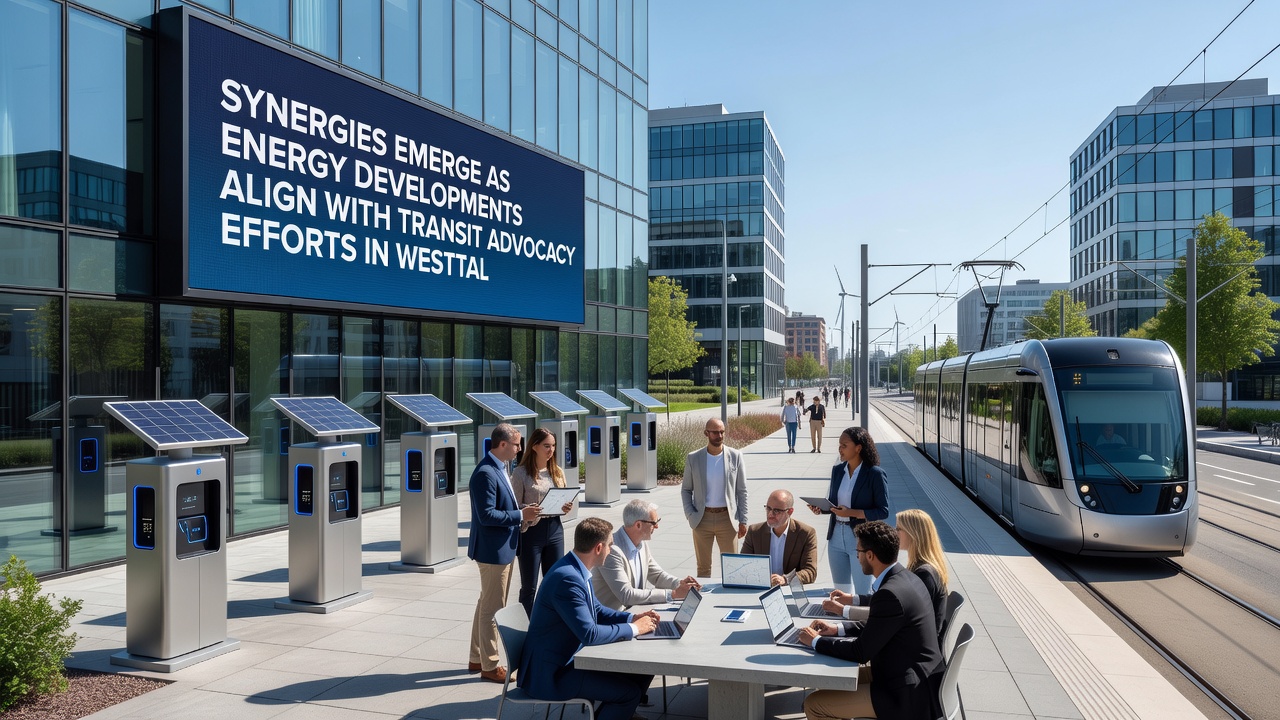
One case involved the proposed extension of the Riverside light-rail spur. Project documents now list a 2.5-megawatt rooftop installation at the maintenance facility as a core element, with energy output earmarked for both traction power and overnight charging of maintenance vehicles. Council minutes from October 2026 record unanimous approval of the combined scope after earlier separate submissions had stalled over cost concerns.
Broader Regional Context
Similar patterns appear in reports from the European Environment Agency, which tracks integrated mobility and energy strategies across member states. Data compiled through 2025 indicates that regions pursuing combined targets for renewable electricity and public transport modal share achieved faster progress on both metrics than those treating the sectors separately.
Industry associations such as the International Association of Public Transport have published case summaries highlighting how renewable energy procurement can stabilize long-term operating budgets for transit agencies. Westtal's recent submissions reference those summaries when justifying requests for multi-year power purchase agreements tied to new bus routes.
Implementation Timelines and Next Steps
Construction schedules released in October 2026 show overlapping work windows for the North Valley solar farm and the adjacent commuter rail electrification project. Both efforts are expected to draw on the same workforce pool for trenching and cable installation, with project managers reporting coordinated safety briefings and equipment sharing arrangements already in place.
Further alignment efforts include a joint data platform under development by the Westtal Energy Consortium and the Valley Transit Alliance. The platform will aggregate real-time generation data from distributed solar arrays with passenger load figures from electric bus routes, allowing operators to adjust charging schedules during peak renewable output periods.
Conclusion
Records from planning offices, university studies, and stakeholder meetings document a clear increase in coordinated activity between energy and transit sectors in Westtal through late 2026. These overlaps appear in funding applications, construction timelines, and public consultation processes, with measurable effects on project delivery speed and resource allocation. Continued tracking of these intersections will rely on the same public records and agency reports that have captured the developments to date.