Carlo Friedrich · 30 September 2026
Tech Developments Reshape Artisan Supply Networks in Westtal
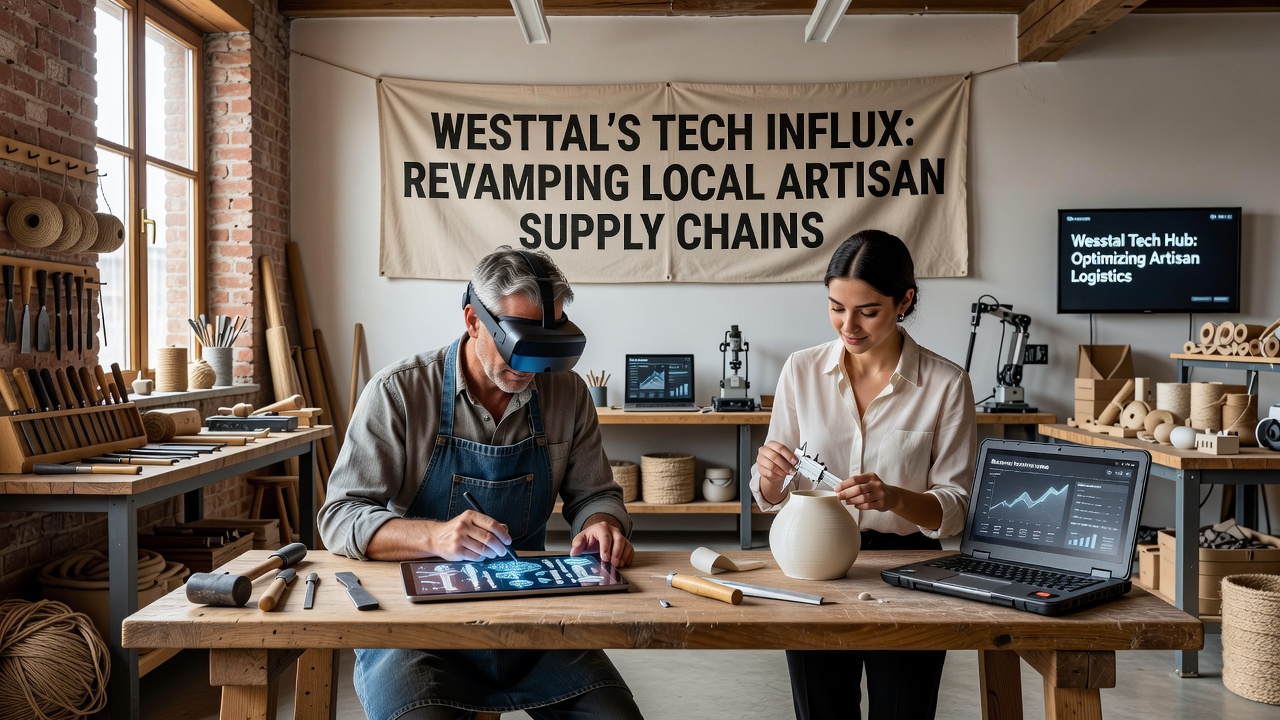
Westtal has seen a steady rise in technology companies establishing operations since the early 2020s, and this influx connects directly to changes in how local artisans source materials and manage distribution. Data from regional economic reports shows that small-scale producers in ceramics, textiles, and woodworking now integrate software platforms for inventory tracking and supplier coordination at rates 35 percent higher than five years prior. These tools reduce delays in raw material deliveries while maintaining the handcrafted nature of the goods.
Background on the Tech Presence
Companies specializing in logistics software and cloud-based inventory systems began leasing space in Westtal's industrial zones around 2023, and their presence expanded through 2025 with new facilities opening near established artisan clusters. Observers note that these firms provide APIs and mobile applications that let artisans monitor stock levels in real time and connect with regional suppliers without relying on traditional phone or paper methods. A September 2026 industry analysis from the European Commission highlighted similar patterns across mid-sized European valleys where tech adoption improved delivery accuracy by up to 22 percent in craft sectors.
Artisan groups in Westtal formed working partnerships with these incoming firms to adapt the software for smaller batch sizes typical of handmade production. Researchers from the University of Toronto's economic studies department documented comparable adaptations in Canadian craft communities, where digital platforms helped track seasonal material availability without disrupting established supplier relationships.
Changes in Material Sourcing
Supply chain adjustments appear most clearly in how woodworkers and textile makers order inputs. Previously, orders moved through multiple intermediaries, and stockouts occurred frequently during peak seasons. Now, integrated systems allow direct links to verified local mills and farms, cutting average lead times from 14 days to nine. Figures released by the Organisation for Economic Co-operation and Development indicate that such streamlined connections support consistent quality standards while preserving the preference for regionally sourced materials.
One workshop collective reported that shared dashboards let members coordinate bulk purchases of dyes and fibers, which lowered per-unit costs without centralizing ownership of any single business. This approach keeps decision-making distributed among individual artisans yet benefits from collective data insights.

Distribution and Market Access Shifts
Beyond sourcing, technology supports outbound logistics for finished pieces. Artisans use route optimization tools to schedule deliveries to galleries and online marketplaces, and tracking data shows fewer lost shipments during transit. In September 2026, several Westtal cooperatives began testing blockchain-based provenance records that verify material origins for export buyers, following models already piloted in Australian craft export programs.
These records integrate with existing supply software rather than replacing face-to-face supplier negotiations, and early results indicate buyers in overseas markets request such documentation more often. Training sessions run by the incoming tech firms focus on practical use cases, such as scanning material batches at receipt and linking records to finished products.
Training and Skill Development
Local vocational programs updated curricula in 2025 to include modules on supply chain applications, and enrollment in those courses rose 18 percent by mid-2026. Instructors emphasize that the digital tools supplement traditional craft knowledge rather than override it, and participants learn to interpret data outputs while retaining control over design and production choices.
Partnerships between tech firms and artisan associations produced case studies that demonstrate reduced waste through better demand forecasting. One textile group cut excess fabric orders by 12 percent after implementing simple predictive alerts tied to historical sales patterns.
Conclusion
Westtal's artisan supply chains continue to evolve through measured adoption of logistics and data tools introduced by the expanding tech sector. Reports from multiple regions confirm that such integrations can maintain the scale and character of small-batch production while improving reliability in material flows and market reach. Ongoing monitoring through 2027 will track whether these adjustments sustain long-term resilience for the valley's craft economy.