Klara Hughes · 16 September 2026
Westtal's Industrial Park Tech Influx Sparks Fresh Training Partnerships with Valley Schools
Westtal's industrial park has attracted several technology companies over the past eighteen months, and this expansion has led local schools to form training partnerships that focus on digital skills and manufacturing processes. The developments began gaining momentum in 2025 when firms specializing in automation and software systems opened facilities, while valley educational institutions responded by aligning programs with emerging workforce requirements.
Expansion of Tech Operations in the Park
Multiple companies have relocated or expanded into the industrial park since January 2025, bringing roles that demand expertise in robotics, data analysis, and network security. Employment figures from the regional economic development office indicate that over 1,200 positions have been created in these sectors, and many of those openings require certifications that traditional secondary curricula have not previously emphasized. Valley schools, including those in the Westtal District and neighboring communities, have started to adjust course offerings to address this gap.
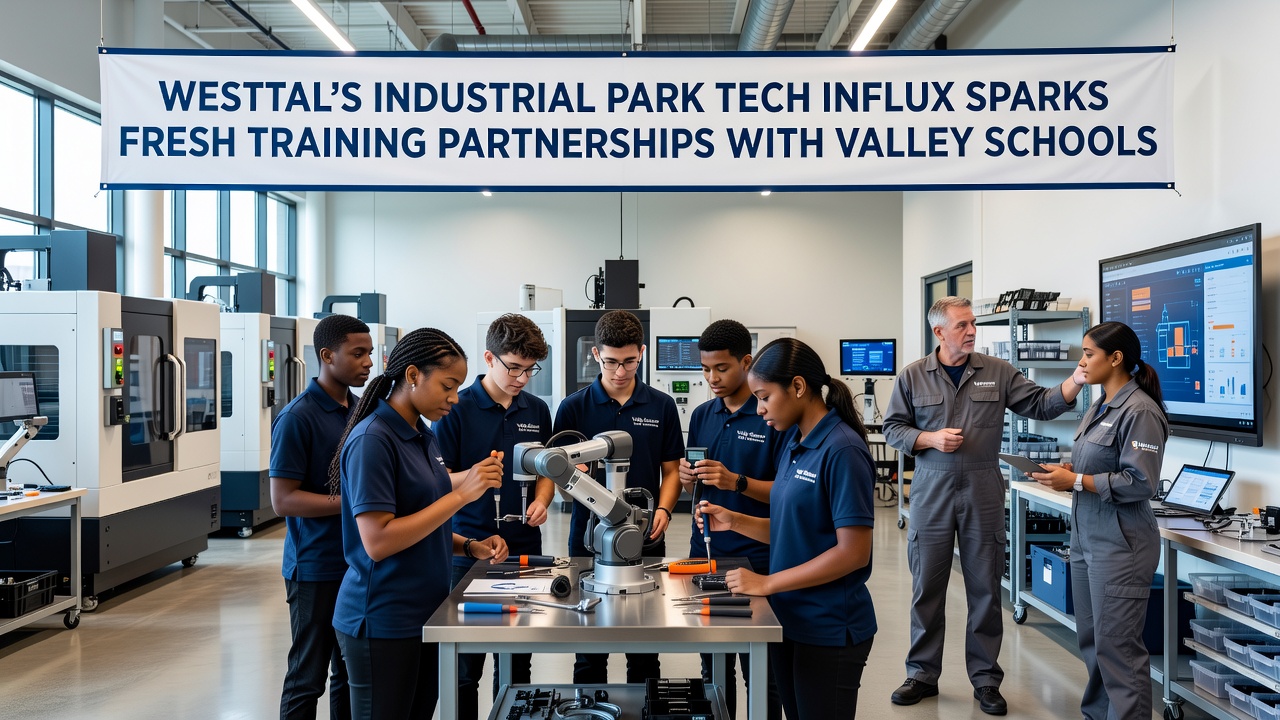
Partnership agreements signed in the spring of 2026 outline joint initiatives between park employers and four secondary schools plus two vocational centers. These agreements cover curriculum development, equipment donations, and internship placements that begin in September 2026. Students enrolled in the new tracks will spend part of their week at school facilities and the remainder at company sites, where they gain hands-on experience with current production systems.
Training Programs and Curriculum Adjustments
The programs include modules on industrial internet of things applications, cybersecurity fundamentals for manufacturing environments, and precision engineering using computer-aided design tools. Instructors from participating companies will deliver portions of the instruction, and school staff will receive professional development sessions to maintain consistency across sites. Data compiled by the European Centre for the Development of Vocational Training shows that similar employer-school collaborations in other regions have increased apprenticeship completion rates by 18 percent within the first two years of implementation.
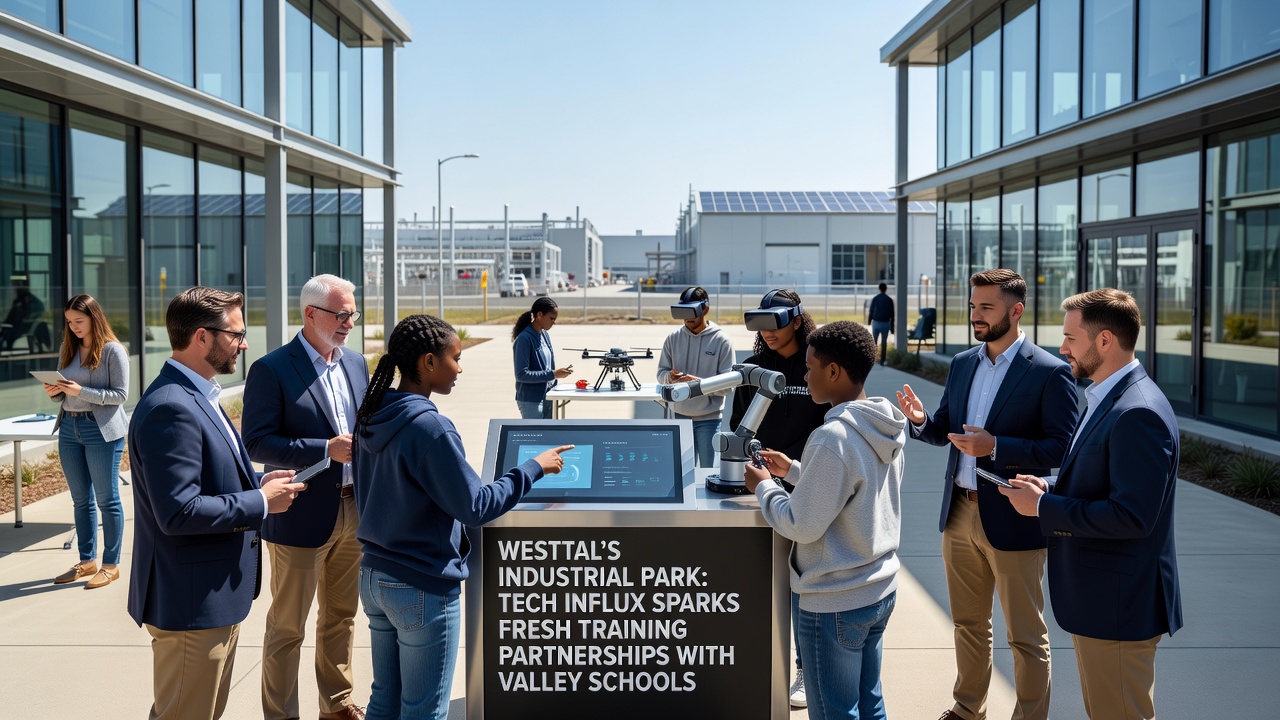
Enrollment projections for the September 2026 intake stand at approximately 340 students across the partner schools. Selection prioritizes those who have completed introductory technology courses, although the partnerships also reserve spots for students from underrepresented groups through targeted outreach efforts. Equipment grants from the companies will equip dedicated lab spaces with updated hardware, and shared digital platforms will allow remote access to simulation software outside regular class hours.
Regional Economic Context and Skill Demands
Regional labor market reports highlight a steady rise in demand for technicians who can maintain automated assembly lines and troubleshoot connected devices. The influx of tech firms has coincided with upgrades to the park's infrastructure, including expanded fiber connectivity and power capacity that support high-performance computing needs. Observers note that these physical improvements have made the location more attractive to additional investors who value proximity to skilled labor pools.
One study from the National Centre for Vocational Education Research in Australia examined comparable industrial zones and found that coordinated training partnerships reduced the time required for new hires to reach full productivity by an average of six weeks. Westtal administrators have referenced such findings while designing their own frameworks, adapting elements that fit local regulations and school calendars.
Implementation Timeline and Stakeholder Roles
Planning meetings held throughout 2025 established governance structures that include representatives from each school, park management, and the participating companies. These groups meet monthly to review progress on curriculum alignment and to address logistical issues such as transportation between sites. By June 2026 all necessary approvals from education authorities had been secured, clearing the way for pilot classes to commence in the fall term.
Companies have committed to providing mentorship for at least 120 students per year, and they will supply case studies drawn from actual projects for classroom use. School districts, in turn, have adjusted timetables to accommodate the hybrid schedule without disrupting core academic requirements. Funding for the initial phase comes from a combination of employer contributions, state education allocations, and federal grants aimed at strengthening technical education pathways.
Conclusion
The partnerships represent a direct response to workforce needs created by the industrial park's tech growth, and they establish ongoing channels for feedback between employers and educators. As the September 2026 start date approaches, participating institutions continue to finalize details on assessment methods and certification recognition. The arrangements position valley schools to supply qualified candidates for the expanding range of roles while giving students clearer routes into technical careers.